Bootsfender Einfache Installation Kollisionsschutz Verschleißfest Langlebig
Beschreibung
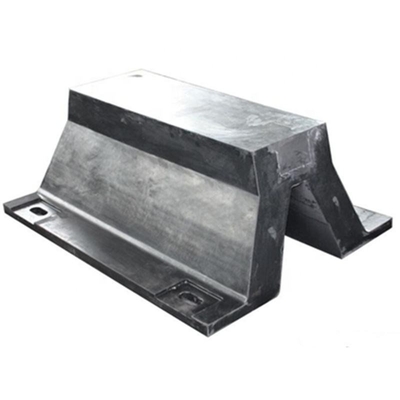
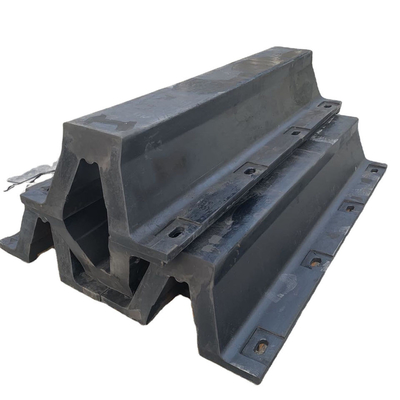
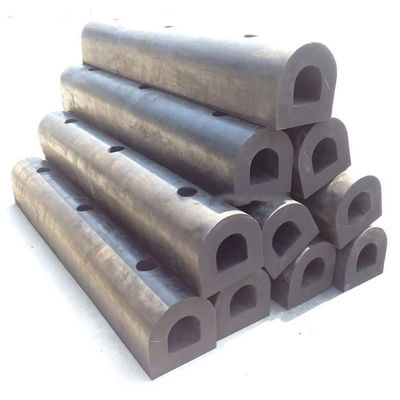
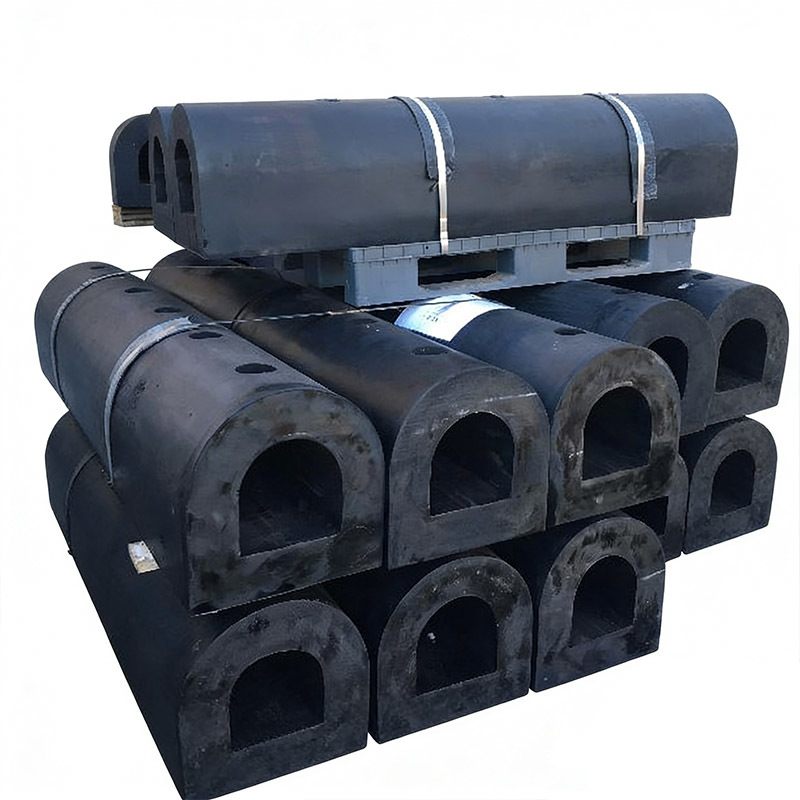
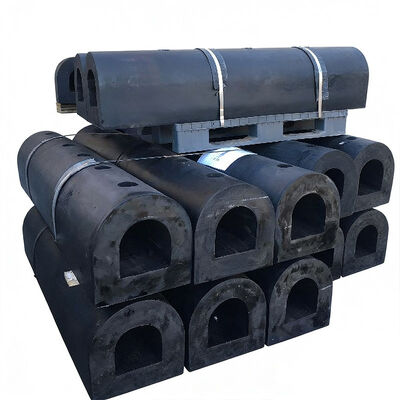
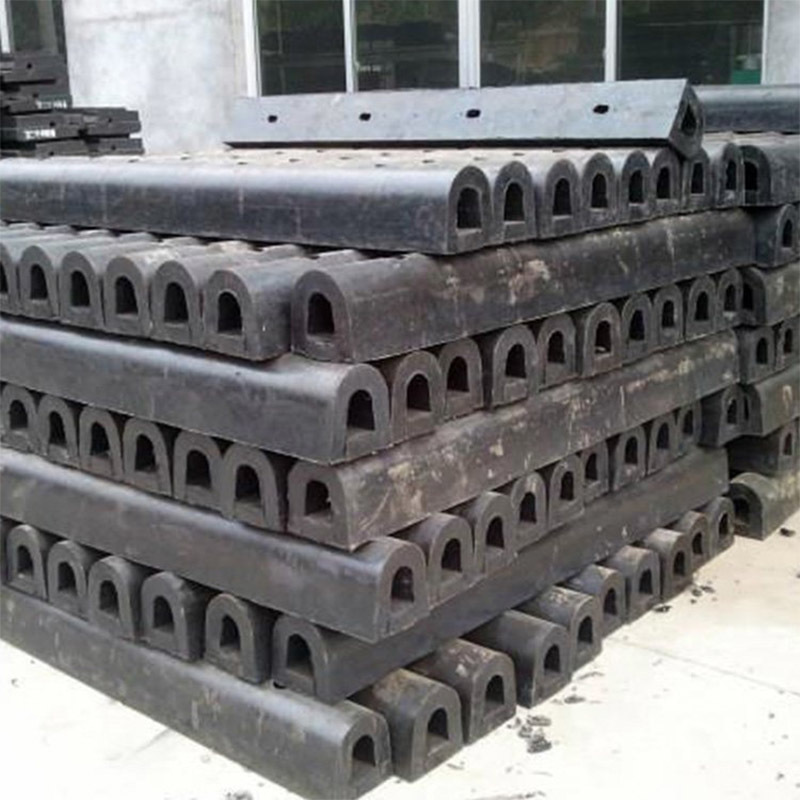
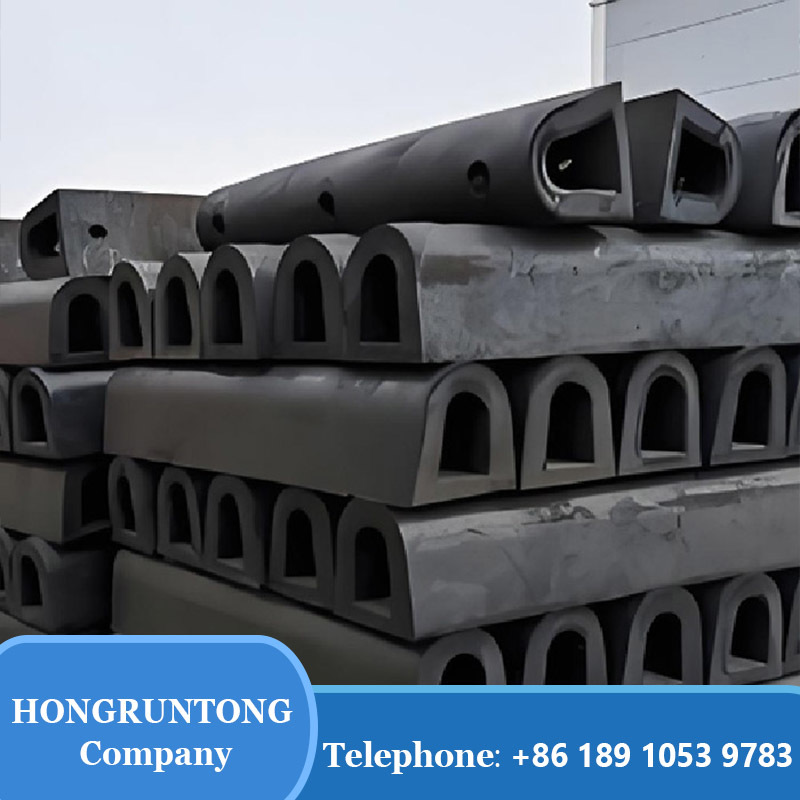
D-Typ-Fender sind für mittlere bis schwere Hafenanlagen konzipiert, bei denen kontrollierte Reaktionskräfte und langfristige Haltbarkeit unerlässlich sind. Diese Fender mit einem Voll- oder halbhohlen D-Profilquerschnitt bieten eine zuverlässige Energieabsorption bei wiederholtem Anlegen von Frachtschiffen, Zubringerschiffen und Küstenöltankern.
Hergestellt aus hochdichten Naturkautschukmischungen mit verstärkter Molekularstruktur, bieten die Fender eine überlegene Druckfestigkeit und Ermüdungsbeständigkeit. Die flache Montagefläche sorgt für eine gleichmäßige Lastverteilung gegen Stahl- oder Betonkaiwände und minimiert so die Spannungskonzentration in der Struktur.
Mit Höhen von bis zu 500 mm und kundenspezifischen Längen eignen sich D-Typ-Fender sowohl für den Neubau von Terminals als auch für Nachrüstungen. Ihre konstante Leistung unter zyklischer Belastung macht sie zu einer wirtschaftlichen und technisch soliden Wahl für Hafenbehörden, die eine Optimierung der Lebenszykluskosten anstreben.
Fallstudie – Modernisierung eines Massengutterminals
Ein Massengutterminal, das Schiffe mit 30.000 bis 70.000 DWT abfertigt, benötigte den Ersatz von verrotteten Holz- und veralteten Gummi-Fendersystemen. Die Anlegfrequenz überstieg 1.200 Schiffsanläufe pro Jahr, was zu strukturellen Belastungen an den Kai-Kanten führte. Hongruntong Marine lieferte schwere D-Typ-Fender von 450 mm, hergestellt aus einer Kautschukmischung mit hohem Modul, um wiederholten Kompressionszyklen standzuhalten. Nach der Installation stellte das Terminal eine verbesserte Stabilität der Schiffsanordnung und reduzierte Wartungsarbeiten an der Kaiwand fest. Die Inspektion nach zwei Betriebsjahren zeigte minimale Materialermüdung, und das Hafenmanagement bestätigte messbare Reduzierungen der Ausgaben für strukturelle Reparaturen, was die langfristige Kosteneffizienz des Upgrades bestätigte.
Spezifikationen
| Produktname |
D-Typ-Fender |
| Markenname |
Hongruntong Marine |
| Material |
Hochleistungs-Naturkautschuk |
| Farbe |
Schwarz und Kundenwünsche |
| Typ |
Feste D-Gummi-Fender |
| Standard |
HGT2866-2016, PIANC2002 |
| Energieabsorption |
147kN bis 920kN |
| Reaktionskraft |
5,1KN-M bis 64KN-M |
| Anwendung |
Hafen, Dock, Kai usw. |
| A |
B |
C |
D |
E |
F |
H |
K |
| [mm] |
[mm] |
[mm] |
[mm] |
[mm] |
[mm] |
[mm] |
[mm] |
| 70 |
30 |
15 |
30 |
45 |
80 |
90 - 130 |
200 - 300 |
| 100 |
45 |
15 |
30 |
50 |
100 |
90 - 130 |
200 - 300 |
| 125 |
60 |
20 |
40 |
60 |
125 |
110 - 150 |
250 - 300 |
| 150 |
75 |
20 |
40 |
75 |
150 |
110 - 150 |
250 - 300 |
| 150 |
80 |
25 |
50 |
100 |
200 |
130 - 180 |
300 - 400 |
| 200 |
100 |
25 |
50 |
100 |
200 |
130 - 180 |
300 - 400 |
| 200 |
100 |
30 |
60 |
125 |
250 |
140 - 200 |
350 - 450 |
| 250 |
125 |
30 |
60 |
125 |
250 |
140 - 200 |
350 - 450 |
| 300 |
150 |
30 |
60 |
150 |
300 |
140 - 200 |
350 - 450 |
| 350 |
175 |
35 |
75 |
175 |
350 |
140 - 200 |
350 - 450 |
| 380 |
190 |
35 |
75 |
190 |
380 |
140 - 200 |
350 - 450 |
| 300 |
150 |
35 |
75 |
175 |
400 |
140 - 200 |
350 - 450 |
| 400 |
200 |
35 |
75 |
200 |
400 |
140 - 200 |
350 - 450 |
| 500 |
250 |
45 |
90 |
250 |
500 |
160 - 230 |
400 - 500 |
| *Hinweis: Andere Größen können nach Kundenwunsch angepasst werden. |
| A |
B |
C |
D |
E |
F |
G |
H |
K |
| [mm] |
[mm] |
[mm] |
[mm] |
[mm] |
[mm] |
[mm] |
[mm] |
[mm] |
| 100 |
25 |
10 |
30 |
15 |
100 |
50 |
90 - 130 |
200 - 300 |
| 150 |
30 |
12 |
65 |
20 |
150 |
75 |
110 - 150 |
250 - 350 |
| 200 |
45 |
15 |
75 |
25 |
200 |
100 |
130 - 180 |
300 - 400 |
| 250 |
50 |
20 |
100 |
30 |
250 |
125 |
140 - 200 |
350 - 450 |
| 300 |
60 |
25 |
125 |
30 |
300 |
150 |
140 - 200 |
350 - 450 |
| 350 |
70 |
25 |
150 |
35 |
350 |
175 |
140 - 200 |
350 - 450 |
| 400 |
80 |
30 |
175 |
35 |
400 |
200 |
140 - 200 |
350 - 450 |
| 400 |
80 |
30 |
200 |
35 |
400 |
200 |
140 - 200 |
350 - 450 |
| 500 |
100 |
30 |
250 |
35 |
500 |
250 |
140 - 200 |
350 - 450 |
Merkmale
Hohe Tragfähigkeit für wiederholtes Anlegen
Die strukturelle Dichte der Kautschukmischung ermöglicht es dem Fender, erhebliche Reaktionskräfte ohne bleibende Verformung aufzunehmen. Die Tragfähigkeit ist sorgfältig ausbalanciert, um eine ausreichende Energieabsorption zu gewährleisten und gleichzeitig übermäßige strukturelle Lastübertragungen auf die Kaiwand zu verhindern. Diese Eigenschaft ist besonders wichtig in Terminals mit hoher Anlegfrequenz.
Ermüdungsbeständigkeit unter zyklischer Kompression
Häfen erfahren wiederholte Kompressionszyklen, die minderwertigen Kautschuk abbauen können. Hongruntong Marine entwickelt D-Typ-Fender mit verbesserter molekularer Vernetzung, um interne Wärmeentwicklung und Mikrorisse zu widerstehen. Labor-Ermüdungssimulationstests zeigen eine stabile Rückprallleistung auch nach längeren Betriebszyklen.
Verbesserte strukturelle Montage-Stabilität
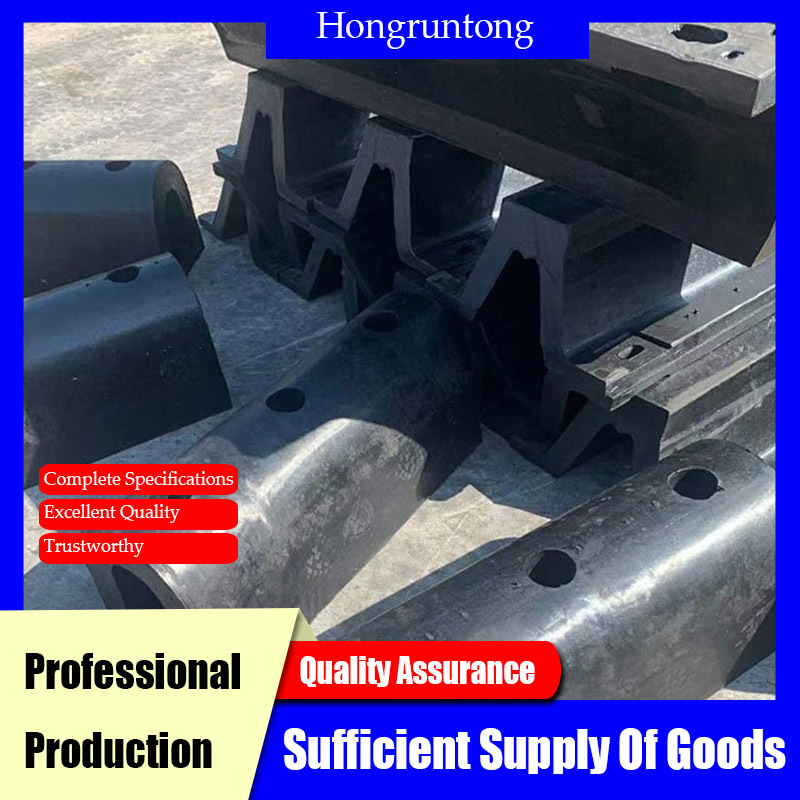
Die breite, flache Rückseite bietet eine starke Verankerungsunterstützung, wenn sie an Beton- oder Stahlrahmen verschraubt wird. Dies minimiert Installationsfehler und verhindert Rotationsbewegungen bei schrägen Schiffstreffern. Verstärkte Bolzenlochbereiche erhöhen die mechanische Integrität weiter.
Langfristige Umweltverträglichkeit
Marine-taugliche Zusatzstoffe verbessern die Beständigkeit gegen Ozon, Meerwassereintauchen und industrielle Umweltverschmutzung. Die Mischung behält ihre Elastizität in Umgebungen mit Temperaturschwankungen von eisigen Winterklimazonen bis zu heißen tropischen Häfen.
Anwendungen
Kommerzielle Frachtterminals
D-Typ-Fender bieten effizienten Schutz für Stückgutliegeplätze, Massengutdocks und Zubringer-Containerterminals, an denen regelmäßig Anlegemanöver mit mittlerer Intensität stattfinden.
Industrielle Uferanlagen
Eingesetzt an Petrochemie-Anlegern und Industriehäfen, wo Haltbarkeit und minimale Wartungsunterbrechungen für die operative Kontinuität entscheidend sind.
Nachrüstung alter Hafenanlagen
Ideal für die Modernisierung älterer Kaiwände ohne größere strukturelle Umbauten aufgrund der einfachen Installation und der anpassbaren Größen.
Warum Hongruntong Marine wählen
Nachgewiesene Erfahrung in Hafenbauprojekten
Hongruntong Marine hat zahlreiche Infrastrukturmodernisierungsprojekte unterstützt und maßgeschneiderte Fendersysteme geliefert, die auf berechnete Anlegeenergieanforderungen abgestimmt sind. Unser Team bewertet die Verdrängung des Schiffes, die Anfahrgeschwindigkeit und die strukturellen Einschränkungen, bevor geeignete Spezifikationen empfohlen werden.
Materialrückverfolgbarkeit und Prüfnormen
Jede Produktionscharge wird auf Zugfestigkeit, Dehnung, Härte und Alterung geprüft, um die mechanische Konformität zu bestätigen. Detaillierte Qualitätsdokumentation unterstützt die technische Überprüfung und Projektprüfungen.
Flexible Produktionskapazität
Mit fortschrittlichen Extrusions- und Formanlagen können wir sowohl Großaufträge für Häfen als auch spezielle Sonderanfertigungen bearbeiten. Effiziente Lieferzeiten stellen sicher, dass Projektzeitpläne eingehalten werden.
Engagement für Lebenszykluswert
Anstatt uns nur auf die Anfangskosten zu konzentrieren, legen wir Wert auf Haltbarkeit und langfristige Betriebseinsparungen. Reduzierte Wartungsintervalle und verlängerte Servicezeiten führen zu messbaren Kostenvorteilen für Hafenbetreiber.
FAQ
1. Für welche Schiffsgrößen sind D-Typ-Fender geeignet?
Sie werden typischerweise für kleine bis mittelgroße Frachtschiffe und Zubringerschiffe bis zu etwa 80.000 DWT verwendet, abhängig von der Konfiguration.
2. Können sie Holzfender ersetzen?
Ja, D-Typ-Fender sind eine moderne Alternative, die größere Haltbarkeit und geringere Wartungsanforderungen bietet.
3. Wie werden sie montiert?
Sie werden mit korrosionsbeständigen Ankersystemen direkt auf Stahl- oder Betonflächen verschraubt.
4. Sind kundenspezifische Härtegrade verfügbar?
Ja, die Härte kann entsprechend den Anforderungen an die Reaktionskraft angepasst werden.
5. Welche Wartung ist erforderlich?
Regelmäßige Sichtprüfungen sind in der Regel ausreichend; es ist keine interne Schmierung oder Korrosionsbehandlung erforderlich.



 Ihre Nachricht muss zwischen 20 und 3.000 Zeichen enthalten!